Select Page
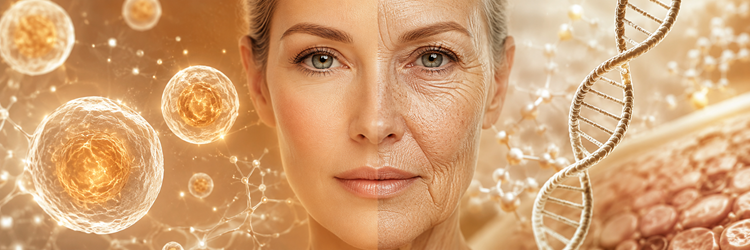
Your Skin Is Aging From The Inside Out

Your Skin Is Aging From The Inside Out

By Brigitte Spurgeon | Board-Certified Functional Genomics Practitioner | Doctor of Orthomolecular Nutrigenomics

There is a conversation I have been having more frequently with my clients, and it usually begins the same way.

A woman comes to me in her late forties or fifties. She eats well. She exercises. She takes her supplements. She does everything right. And yet something has shifted. Her skin has changed in ways that feel disproportionate to her age. There is a heaviness around her eyes that wasn’t there before. Fine lines that appeared almost overnight. A dullness to her complexion that no serum has been able to restore. She looks tired in a way that sleep does not fix. And she is frustrated, because she knows she is doing the work.

What she doesn’t know, and what most people have never been told, is that the visible changes on her face may be a reflection of something happening deep inside her cells. Something that the anti-aging industry has almost entirely ignored, and that the science of longevity is now identifying as one of the most significant drivers of biological aging we have ever discovered.

It is called cellular senescence. And understanding it may change everything about how you approach aging.


The Cells That Refuse to Die

Every cell in your body has a lifespan. When a cell is damaged beyond repair — by oxidative stress, UV exposure, telomere shortening, environmental toxins, or the cumulative wear of time, it is supposed to do something remarkably cooperative: it is supposed to self-destruct in an orderly process called apoptosis, clearing the way for new, healthy cells to take its place.

But some cells don’t cooperate. Instead of dying, they enter a state of permanent arrest. They stop dividing. They stop functioning. But they don’t leave. They linger in tissues, metabolically active and deeply disruptive, secreting a cocktail of inflammatory signaling molecules, proteases, and reactive oxygen species into the surrounding cellular environment. Scientists have given these persistent, dysfunctional cells a name that is both scientifically precise and somewhat unsettling: senescent cells. In the popular science literature, they are increasingly referred to as zombie cells — because they are, in a meaningful sense, the undead of cellular biology.

A small number of senescent cells is a normal feature of healthy biology. In youth, the immune system efficiently identifies and clears them. But as we age, two things happen simultaneously: the rate at which cells become senescent increases, and the efficiency of immune surveillance that clears them decreases. The result is a gradual but relentless accumulation of zombie cells in tissues throughout the body — the skin, the fat, the joints, the brain, the immune system itself.

The inflammatory molecules these cells release, a pattern researchers have named the SASP, or Senescence-Associated Secretory Phenotype, do not stay local. They diffuse into surrounding tissue, damaging neighboring healthy cells, promoting chronic low-grade inflammation, and disrupting the cellular signaling networks that govern everything from collagen production to hormone regulation to metabolic function. This is not a peripheral process. It is now understood to be a central mechanism in the development of many age-related chronic conditions, including cardiovascular disease, metabolic syndrome, cognitive decline, and the kind of whole-body inflammatory burden that makes people feel and look older than their years.


What This Has to Do With Your Face

The skin is not separate from this process. It is one of its most visible theaters.

Dermal fibroblasts, the cells responsible for producing collagen and elastin, are among the cell types most susceptible to senescence. As senescent fibroblasts accumulate in skin tissue, collagen production falls. The existing collagen matrix is degraded by the metalloproteinases that SASP secretion upregulates. Skin architecture loses its scaffolding. What was once firm and resilient becomes thinner, less elastic, more prone to lines and sagging. Melanocytes, the pigment-producing cells, also become senescent, contributing to the uneven skin tone and hyperpigmentation that characterize aging skin. The microvascular changes that accompany SASP signaling reduce blood flow to the dermis, contributing to the dullness and pallor that no highlighter quite covers.

This is not the whole story of skin aging. UV damage, oxidative stress, glycation, and hormonal changes all play significant roles. But cellular senescence is increasingly recognized as an upstream driver of all of them. The inflammatory environment that SASP creates amplifies the damage from every other aging mechanism simultaneously. It is, in biological terms, a force multiplier for everything else that goes wrong.

This is why topical approaches, as sophisticated as some have become, will always be working around the edges of the problem. You cannot resolve cellular senescence with a serum. The change has to happen from inside the cell.


Enter Epigenetics: Why Your Genes Are Not Your Destiny

Before I explain what can actually be done about senescent cells, I want to address something that I consider foundational, and that profoundly shapes how I approach aging with my clients.

Your genetic code is fixed. The sequence of base pairs in your DNA is the same today as it was the day you were born. But here is what most people have never been told: the expression of that genetic code is not fixed. The way your genes are read, which genes are switched on, which are silenced, which pathways are activated or suppressed, is governed by a layer of information above the DNA itself. This is epigenetics, from the Greek epi, meaning above or over.

Epigenetic regulation works through several mechanisms: the methylation of DNA at specific sites, the modification of the histone proteins around which DNA is wrapped, and the activity of non-coding RNA molecules that regulate gene expression. These mechanisms determine which parts of your genome are accessible to the cellular machinery that reads genes, and which are locked away. They are the volume controls on your genetic blueprint.

What is extraordinary, and what carries enormous implications for aging, is that these epigenetic marks are not permanent. They respond to your environment, to what you eat, to how you move, to chronic stress and to its resolution. As well as to the nutrients that circulate in your bloodstream and either support or starve the enzymatic processes that maintain epigenetic balance. To the accumulated burden of inflammation. And, critically for what we are discussing today, to the senescent cell load in your tissues.

Research in epigenetic clocks, computational models that use patterns of DNA methylation across the genome to calculate biological age as distinct from chronological age, has confirmed what many of us have observed clinically for years: two people of the same birth year can have biological ages that differ by decades. Senescent cell accumulation accelerates epigenetic aging. And interventions that reduce senescent cell burden have been shown to slow or partially reverse epigenetic clock progression.

What this means practically is significant. Your age is not written in stone. It is written in the choices you make at the cellular level every day, the nutrients you provide, the inflammation you resolve or sustain, and the senescent burden you reduce or allow to accumulate. The science of epigenetics has given us something remarkable: evidence that biological aging is malleable. That the cells writing your aging story can, to a meaningful degree, be given a different pen.


Senolytics: The Science of Clearing What Should Have Gone

The recognition that senescent cells drive aging has prompted one of the most exciting areas of longevity research of the past decade: the search for senolytics, which are compounds that selectively trigger the clearance of senescent cells without harming healthy ones.

Senescent cells survive the apoptosis they should undergo partly because they upregulate certain pro-survival pathways, mechanisms that suppress the cell death signals that would normally eliminate them. Senolytics work by targeting these pro-survival mechanisms, restoring the cell’s ability to receive and respond to apoptotic signals, and allowing the immune system to complete the clearance process it was failing to accomplish on its own.

The early senolytic research used pharmaceutical compounds, most notably dasatinib, a leukemia drug, combined with quercetin. The results in animal studies were striking enough to generate significant excitement. In mouse models, periodic senolytic treatment improved physical function, extended health span, reduced age-related pathology, and, in some models, extended lifespan. Human clinical trials are ongoing, and early results are promising.

But the pharmaceutical route is not the only path to senolytic activity. Several plant-derived polyphenols have demonstrated meaningful senolytic or senomorphic (SASP-suppressing) activity in cell studies and, increasingly, in human clinical contexts. Quercetin, one of the most widely studied, has demonstrated selective pro-apoptotic effects in senescent cells that are not observed in healthy proliferating cells. Fisetin, a flavonoid found in strawberries, apples, and onions, has shown even more potent senolytic activity in preclinical studies than quercetin in some models, with one landmark paper reporting a 25–50% reduction in senescent cell markers in mouse tissues following treatment. Curcumin, the active compound in turmeric, exerts senomorphic effects, reducing SASP cytokine secretion and modulating the NFκB inflammatory signaling that senescent cells exploit. Fucoidan, a complex polysaccharide derived from brown seaweed, has attracted research interest for its immunomodulatory properties and its capacity to support the natural killer cell activity that governs immune surveillance of senescent cells.

These are not fringe compounds. They are among the most studied phytochemicals in nutritional biochemistry. And when formulated together at meaningful concentrations and combined with the nutritional cofactors, zinc and Vitamin C, that support their activity, they create a synergistic senolytic environment that goes significantly beyond what any single compound can achieve alone. This is the premise behind ZinoGene+, a supplement I use in my clinical work that combines seaweed fucoidans, curcumin, quercetin, fisetin, piperine, zinc, and Vitamin C into a formulation specifically designed around senolytic and SASP-suppressive mechanisms. I am transparent with my clients about why I recommend it: the ingredient profile is clinically coherent, the mechanism is scientifically grounded, and the results I have observed, particularly in skin quality, energy, and inflammatory burden, are consistent and meaningful.


The Lifestyle Architecture of Cellular Youth

Senolytics are a powerful tool. But they work within a context, and that context matters enormously. The cellular environment that either accelerates or decelerates senescence accumulation is shaped daily by choices that are entirely within your control.

Sugar and glycation. Advanced glycation end products, AGEs, are formed when glucose molecules attach non-enzymatically to proteins and lipids. They accumulate in tissues, cross-link collagen fibers, stiffen cell membranes, and generate oxidative stress. They also promote senescence directly, by damaging cellular structures and impairing the mitochondrial function that healthy cells depend on. Reducing dietary sugar is not simply about caloric management. It is about reducing one of the primary biochemical drivers of cellular aging.

Gluten and intestinal permeability. For a significant proportion of women, particularly those with particular HLA genotypes or compromised gut microbiome diversity, gluten exposure contributes to intestinal permeability: the loosening of the tight junctions between intestinal epithelial cells that allows luminal contents, including lipopolysaccharide from gram-negative bacteria, to enter systemic circulation. The systemic inflammatory activation this produces is, from a cellular aging perspective, chronic SASP amplification. Every inflammatory signal that reaches your tissues adds to the burden that senescent cells are already creating.

Sleep and cellular repair. The restorative processes of the night shift are not metaphorical. During deep sleep, autophagy, the cellular self-cleaning mechanism that clears damaged organelles and misfolded proteins, reaches its daily peak. HGH secretion, which governs tissue repair and regeneration, occurs primarily in the early hours of sleep. The glymphatic system, the brain’s waste-clearance network, operates almost exclusively during sleep. Poor sleep quality is not simply tiring. It is a profound impediment to the cellular renewal processes that counterbalance senescence accumulation during waking hours.

Polyphenols and mitochondrial support. Colorful plant foods are not just nutritionally dense. They are epigenetically active. Polyphenols from berries, pomegranate, green tea, dark leafy vegetables, and olive oil modulate the activity of sirtuins, the family of proteins that regulate cellular stress responses, mitochondrial function, DNA repair, and epigenetic modifications. Sirtuins are directly implicated in the rate of biological aging. Their activity is supported by NAD+ availability, which in turn is influenced by niacin intake, exercise, fasting, and the presence of polyphenol-rich foods.

Omega-3 fatty acids and membrane resilience. The phospholipid composition of cell membranes, governed substantially by the omega-3 to omega-6 ratio, directly influences cellular susceptibility to inflammatory stress and to senescence. A membrane rich in EPA and DHA maintains fluidity, supports efficient receptor signaling, and generates the specialized pro-resolving mediators that actively orchestrate inflammatory resolution. A membrane depleted of EPA and DHA is rigid, pro-inflammatory, and far more susceptible to the oxidative damage that triggers senescence. Fatty acid status testing, the bloodspot test I use with all my clients, makes this measurable and correctable rather than a matter of guesswork.

Ascorbic acid and the collagen-senolytic connection. Vitamin C in its ascorbic acid form is simultaneously one of the most powerful cellular antioxidants available and a critical cofactor in collagen synthesis, specifically in the hydroxylation of proline and lysine that gives collagen fibers their structural integrity. At higher therapeutic doses, ascorbic acid supports the oxidative detoxification that accompanies senescent cell clearance. It is among the most important nutritional supports during any period of intentional cellular renewal.


Your Epigenetic Age Is Not Fixed

I want to return to epigenetics here, because I think this is where the deeper significance of this entire conversation lives.

When a senescent cell secretes SASP molecules into surrounding tissue, those molecules do not simply cause local damage. They alter the epigenetic state of neighboring cells, influencing DNA methylation patterns, activating stress-response pathways, and shifting the gene expression profiles of healthy cells toward pro-inflammatory, pro-aging phenotypes. Senescence, in other words, is epigenetically contagious. A local accumulation of zombie cells can propagate an aging epigenetic signature outward through tissue in a cascade.

The reverse is also true. Environments that are anti-inflammatory, nutrient-rich, senolytically active, and low in glycation and oxidative stress shift the epigenetic landscape back toward youthful gene expression patterns. This is not speculation. Epigenetic clock research, including the work behind the Horvath clock, the GrimAge clock, and increasingly refined next-generation methylation models, consistently shows that lifestyle and nutritional interventions are among the most powerful determinants of the rate at which the epigenetic clock ticks.

This is the core of what I believe, and what I have built my practice around: the body is not simply declining. It is responding constantly, dynamically, and epigenetically to the environment we create for it. The cells writing your aging story are listening. Every meal, every night of deep sleep, every reduction in inflammatory burden, every senolytic compound that clears a zombie cell, these are not small decisions. They are instructions. They are the signals your epigenome uses to decide which version of your biology to express.

Younger-looking skin is not a vanity goal. It is a biomarker. It reflects what is happening in your tissues, the inflammatory load, the collagen matrix integrity, the microvascular health, the cellular renewal rate. When the inside is working well, the outside reflects it. Every time.


A Seven-Day Experiment in Cellular Renewal

I want to invite you to experience what this looks like in practice. Not as an abstract concept but as something you can see on your own face, in your own mirror, in the span of a single week.

I am running a free 7-day Glow From Within Cellular Reset Challenge, and the protocol is built around exactly the science I’ve outlined here. Participants receive a structured daily routine that includes a targeted senolytic supplement protocol using ZinoGene+, a sequence of therapeutic anti-aging tonics designed to support liver detoxification, insulin regulation, and cellular antioxidant protection, and a simple no-sugar, no-gluten food framework that removes the two most significant dietary drivers of cellular inflammation and glycation.

The results have been consistent and often surprising. Smoother fine lines. Brighter skin tone. Reduced puffiness. Improved energy. Clients who have done this protocol tell me that by Day 5 they can see a visible difference, not in spite of doing it for only a week, but precisely because they are working at the right level. When you address cellular senescence, reduce SASP-driven inflammation, remove glycation promoters, and support epigenetic renewal simultaneously, the skin responds. It is the most visible organ, and it reflects what is happening at the cellular level faster than almost anything else.

If you would like to join the challenge or receive the protocol document, reach out to me directly. This is free to participate in. All I ask is that you commit to the week and share your before and after selfies, because seeing the results on real faces is the most powerful education I know how to offer.


Brigitte Spurgeon is a Board-Certified Functional Genomics Practitioner and Doctor of Orthomolecular Nutrigenomics. She works remotely with clients across the US, Canada, Europe, Asia, Africa, and Australia, offering personalized nutrigenomics consultations and the Glow From Within Cellular Reset Challenge. To join the challenge or learn more about working together, visit www.brigittespurgeon.com

As an Independent Partner with Zinzino, Brigitte uses bloodspot fatty acid testing and ZinoGene+ as part of her clinical protocols.

This article is for educational purposes and does not constitute medical advice.

Youth Athlete Nutrition Crisis: Why Young Athletes Break Down

Youth Athlete Nutrition Crisis: Why Young Athletes Break Down

If you are a parent, coach, athlete interested in youth athlete nutrition, or a woman who was a competitive athlete in her teens and is only now connecting the dots between those years and how your body feels today, this article is for you.

There is a pattern I have started to see, and once you see it, you can’t unsee it.

A fifteen-year-old girl is training six days a week. She’s fast, dedicated, the kind of athlete coaches dream of. Her parents are proud, but exhausted, ferrying her to early-morning sessions and weekend competitions and physiotherapy appointments for injuries that never quite resolve. Then one of three things happens:
• Her periods stop, or never properly arrive.
• She fractures a bone in her foot that should not fracture in a healthy fifteen-year-old.
• She simply stops improving, i.e. plateaus then slides backwards, and no one can work out why.

A sixteen-year-old boy is in the same picture. He is leaner than he was a year ago, despite eating what looks like lots of food. He catches every virus going through the school. His mood has flattened. His coach mentions, almost in passing, that he just doesn’t have the same spark in training.

These aren’t separate stories. They’re the same story, expressed through different bodies. And the answer is rarely what the medical system reaches for first.

What these young athletes have is, almost always, a fueling problem. Not a talent, discipline, or psychological problem. A biochemical problem that conventional sports medicine still routinely misses, and that the supplement industry actively makes worse.

I want to walk you through what is actually happening, because if you are raising, coaching, or treating a young athlete, this information can change the trajectory of their career, and more importantly, their long-term health.


Teenage Athletes Are Not Small Adults

This sounds obvious, but it is missed constantly in practice.

A teenage athlete is doing three biologically demanding things simultaneously: training at intensities approaching elite adult levels, navigating the most rapid period of growth and sexual maturation since infancy, and building the peak bone mass that will protect their skeleton for the rest of their lives. That bone-building window closes in the early twenties. Whatever is laid down now is, literally, the bank they draw from for the next sixty years.

Each of these processes — training, growth, bone accrual — carries its own energy and nutrient cost. Stack them together, and the metabolic demand on a fourteen-year-old elite swimmer or a sixteen-year-old cross-country runner is staggering.

In practical terms, this often means 3,000 to 4,000 calories a day for a female endurance athlete in her mid-teens, and considerably more for many young male athletes. Most are not eating anywhere near this. The reasons are layered:

• Sport culture rewards leanness.
• Social media has distorted how teenage girls relate to food and their bodies.
• Training schedules leave little time to eat.
• High training loads suppress appetite through changes in hunger hormones, a recognized biological effect that many athletes and coaches do not know exists.
• Well-meaning adults, raised in a diet culture that has confused thinness with health, often do not see the warning signs.

The result is what the International Olympic Committee now formally calls Relative Energy Deficiency in Sport, RED-S. It is not anorexia. It is not always disordered eating in any clinical sense. What it is, very often, is an unintentional and chronic gap between what a young body needs and what it is being given.


What Under Fueling Actually Does to a Young Body

When energy availability drops below what a body needs to train, grow, repair, and run basic metabolism, the body makes a choice. It downregulates the functions it considers non-essential to immediate survival. The hierarchy is consistent and biologically logical.

Reproductive function goes first

In female athletes, this means menstrual disruption. It starts with irregular cycles, then missed periods, then the complete absence of menstruation. The mechanism is suppression at the hypothalamus, which collapses the downstream hormone cascade that drives estrogen production. In male athletes, the equivalent is reduced testosterone It’s less obvious, but with real consequences for mood, muscle mass, bone, and recovery.

Many young female athletes, and the adults around them, interpret the absence of periods as a convenience, or as evidence that training is going well. It’s the opposite. The body is declaring that it can’t afford to reproduce because it can’t afford the energy cost. This is a serious clinical signal.

Bone remodeling slows

The young athlete who fractures a metatarsal during a normal training week is not unlucky. She is showing you that her skeleton is no longer keeping pace with the demands placed on it. Stress fractures in adolescents almost always indicate energy deficiency, often compounded by low estrogen or testosterone, and by inadequate vitamin D, calcium, and K2.

Roughly 90 percent of adult bone mass is laid down by age eighteen. A girl who under-fuels through her competitive teenage years walks into her thirties with a skeleton several years older than it should be, and into the perimenopausal years, when estrogen-driven bone loss accelerates, with significantly less in reserve than her peers.

This is where the story of the teenage athlete connects directly to the health of the menopausal woman. The body keeps a record. What is built, or not built, in youth tends to surface decades later.

Thyroid output falls

Under fueling reliably suppresses the active thyroid hormone, T3 through reduced conversion from T4, and through downregulation at the hypothalamic level. This is not thyroid disease in the conventional sense. It is a metabolic adaptation that expresses itself as fatigue, cold intolerance, brain fog, and a stubborn performance plateau that no amount of additional training will move. TSH and T4 often look normal on standard panels. Free T3 and reverse T3 tell the real story.

Immune function falters

The teenager who catches every cold, who is always slightly unwell, or who takes longer to recover from minor illness is not a victim of coincidence or weakness. Chronic under fueling suppresses immune defenses at multiple levels. Recurrent illness in a young athlete is a symptom, not a personality trait.

Mood and mental performance decline

Serotonin and dopamine, the neurotransmitters that regulate mood, motivation, and the capacity to engage with hard training, require specific amino acids, cofactors, and a functioning methylation pathway to be produced. A teenager who is chronically under fueled is not producing enough of them. The flatness, the irritability, the lost spark: these are biochemistry, not character.


The Nutrients That Make or Break a Young Athlete

The deficiencies I see are remarkably consistent across this population. Here is what I look for and why.

Iron

This is the single most common deficiency I see in young female athletes, and it is consistently under-investigated. Menstruating girls lose iron monthly. Endurance training adds further losses through sweat and the mechanical destruction of red blood cells with each foot strike. Growth demands more. The iron requirement of a fifteen-year-old female cross-country runner is dramatically higher than her peers.

The mistake most clinicians make is checking only hemoglobin. By the time hemoglobin drops, iron depletion has been developing for months. Ferritin, the storage form, drops first. A young athlete with ferritin below 30 ng/ml is already underperforming, regardless of whether her hemoglobin reads normal. Many elite athletes function best with ferritin above 50.

Vitamin D

Indoor-sport athletes, athletes training in northern latitudes, and athletes with darker skin are routinely deficient. Vitamin D affects bone, immune function, muscle force production, and mood. I look for serum levels in the 50–80 ng/ml range, well above the conventional threshold, which was set to prevent rickets, not to support an elite athlete’s physiology.

Calcium, Magnesium, and Vitamin K2

These work as a system. Calcium alone, without the cofactors that direct it into bone, is at best wasted and at worst deposited where it should not be. Magnesium is depleted by sweat and training stress, and it is required for vitamin D to activate. K2 directs calcium into bone rather than soft tissue. Young athletes need all three, first from food, and then precision supplemented where intake falls short.

Omega-3 EPA and DHA

Training generates inflammation. Adaptation depends on it. But chronic, unresolved inflammation impairs recovery and accelerates the systemic toll of high training loads. Adequate EPA and DHA are precursors to the molecules that actively resolve inflammation, not merely oppose it. They also support ongoing brain development and, critically for contact-sport athletes, appear to play a meaningful role in concussion recovery.

Most teenage athletes on a standard fish oil capsule are not getting what they think. Omega-3 index testing, measuring EPA and DHA as a percentage of red blood cell membrane fatty acids, is the only way to know with certainty.


The Genomic Layer

Two young athletes on identical training plans and identical diets will respond differently. Much of that difference is genomic.

Variants in the MTHFR gene affect how folate is metabolized and how well the body clears homocysteine, with downstream implications for neurotransmitter production, recovery, and the safety of standard B-vitamin supplementation.

Variants affecting vitamin D receptors influence how efficiently a given serum vitamin D level translates into actual cellular activity. Other variants shape antioxidant capacity, mitochondrial function, fast-twitch to slow-twitch fiber ratio, and caffeine metabolism.

This is not theoretical. Personalized nutrition informed by functional genomics is what differentiates the athletes who break down from the athletes who keep building.


What Actually Helps

The intervention is rarely glamorous, which is part of why it is overlooked.

• Fuel first.

Caloric intake matched to training load and growth. Carbohydrate treated as fuel, not as a category to be feared. Protein distributed across the day rather than concentrated in one meal. Real, varied fats included rather than restricted.

• Protect the menstrual cycle.

A regular cycle is one of the most reliable signals that a young female athlete’s physiology is well-resourced. Its absence is a medical issue, and not a convenience. It should never be masked with hormonal contraception without addressing the underlying cause.

• Test what actually matters.

Ferritin, transferrin saturation, 25(OH)D, RBC magnesium, zinc, B12, free T3, reverse T3, and an omega-3 index. Standard bloodwork misses most of what is relevant in this population.

• Prioritize sleep.

Recovery and growth hormone release peak during sleep. A young athlete sleeping six hours a night is not able to optimize training gains regardless of how many sessions she completes. Adolescents have a naturally delayed circadian rhythm, so early-morning training carries costs that need to be understood and managed.

• Personalize.

Genomic data, functional lab work, and clinical observation, integrated. Not a generic protocol applied to an individual body.


The Longer View

The decisions made, and the deficits accumulated, in the teenage athletic years cast a long shadow.

Many of the adult women I work with today were competitive athletes in their teens and twenties. The patterns I see are remarkably consistent: thyroid systems that never fully recovered from years of under fueling; declining bone density; hormonal systems entering perimenopause already running on debt. The body keeps a meticulous record.

This is not a reason for guilt for anyone reading this who has lived that history. It is a reason for clarity about what we owe the next generation of athletes coming through.

If we can fuel them properly now, support their physiology rather than override it, and approach their development with the respect that young bodies deserve, we change the trajectory of the rest of their lives. Not only their athletic careers.


The Question Worth Asking

If you are watching a young athlete struggle with recurrent injury, fading performance, missed periods, frequent illness, or the quiet loss of spark, the most useful question is not “what’s wrong with her?”

It’s: what is she not being given enough of?

That is the question orthomolecular medicine begins with. And in young athletes, the answer is almost always the same: energy, key nutrients, recovery, and the kind of informed, personalized approach that recognizes a developing body for what it is: a remarkable system that responds beautifully when it is properly resourced, and breaks down quietly when it is not.

The talent in our young athletes deserves better than the broken system currently surrounding them. So do the futures they are building in their bones.


Is this resonating with your story or with someone you love?

Whether you are a parent trying to protect your child’s health, a coach wanting to be better for your athletes, or a woman looking back at your own athletic years and recognizing these patterns in your body today, I am here to help.

My practice integrates functional genomics, orthomolecular medicine, and targeted nutrition to find and address root causes. I work remotely with clients across North America, Europe, Africa, Asia, and Australia.

Book a free call or learn more at www.brigittespurgeon.com


Brigitte Spurgeon is a Doctor of Orthomolecular Nutrigenomics and Functional Genomics Practitioner. She works with clients worldwide to prevent and reverse chronic disease through personalized, root-cause nutrition, which includes youth athlete nutrition.

This article is for educational purposes and does not constitute medical advice.

Your Genes and Your Weight: How Nutrigenomics Changes the Conversation on Metabolic Health

Your Genes and Your Weight: How Nutrigenomics Changes the Conversation on Metabolic Health

If you have ever followed exactly the same diet as someone else — a friend, a colleague, a sibling — and had completely different results, you have already experienced nutrigenomics in practice.

One person loses weight easily on a low-carbohydrate approach. Another person follows the same protocol diligently and loses almost nothing. One person takes a standard B-complex and their energy transforms. Another takes the same supplement and feels worse. One person reduces saturated fat and their cholesterol drops dramatically. Another person makes the identical change and their numbers barely shift.

These are not mysteries. They are the predictable results of biochemical individuality — the fact that each of us carries a unique genetic blueprint that profoundly shapes how we process food, metabolize nutrients, regulate inflammation, manage blood sugar, and store fat. Nutrigenomics is the science of understanding that blueprint and using it to inform genuinely personalized nutrition.

I became obsessed with nutrigenomics because of the clarity it offered to my own life experiences. Despite years of being an endurance athlete and following clean nutrition, I continued to struggle with hormonal balance and metabolic resilience during certain periods of my life. Standard nutrition advice never worked for me. Understanding my own genetic terrain and nutrient deficiencies did. And it changed everything about how I work with my clients.


What Nutrigenomics Actually Is

Nutrigenomics examines the interaction between your genetic variants — known as single nucleotide polymorphisms, or SNPs — and the nutrients, foods, and dietary patterns you are exposed to. It works in two directions simultaneously.

Nutrigenetics examines how your genes affect your response to nutrition: which nutrients you need more of, which you process poorly, which dietary approaches are likely to be beneficial or counterproductive for your specific physiology. Nutrigenomics also examines how what you eat affects the expression of your genes — because our genetic code is not fixed destiny. Nutrients act directly on gene expression, switching pathways on and off, regulating enzyme production, and influencing which genetic risks materialize and which do not.

The practical application of this is what I do in my practice. I process raw genetic data files from my clients and generate detailed reports that reveal which variants are present, what they mean biochemically, and how nutrition, targeted supplementation, and lifestyle modifications can address the specific pathways those variants affect. I then walk each client through their results and build a protocol that is grounded in their actual genetic physiology — not a generic template.


The Key Genes in Metabolic Health and Weight

Several genetic variants have direct and well-studied implications for metabolic health, weight regulation, and the conditions my clients most commonly struggle with.

FTO — the fat mass and obesity gene. FTO variants are among the most widely studied in metabolic health research. Certain variants increase leptin levels while reducing HDL cholesterol, creating an environment of persistent hunger and metabolic disadvantage. Individuals with the higher-risk FTO genotype respond particularly well to personalized dietary interventions and benefit substantially from understanding and working with their specific metabolic predispositions rather than applying generic weight loss approaches.

PPARG — the adipogenesis and insulin sensitivity gene. PPARG regulates how fat cells are formed and how sensitive tissues are to insulin. Variants in this gene influence carbohydrate and fat metabolism and determine in part how a person responds to different dietary macronutrient ratios. Someone with particular PPARG variants may have a significantly different metabolic response to a high-fat diet than someone without them — information that makes generic dietary advice at best ineffective and at worst counterproductive.

FADS1 and FADS2 — the fatty acid desaturase genes. These genes encode the enzymes responsible for converting the shorter-chain omega-3 and omega-6 fatty acids from diet into the longer-chain forms — EPA, DHA, and arachidonic acid — that the body actually uses. Variants in FADS1 and FADS2 significantly affect this conversion efficiency, meaning that some people cannot effectively produce anti-inflammatory DHA and EPA from plant-based omega-3 sources and require preformed EPA and DHA directly. This is one of the reasons I recommend fatty acid testing — because understanding both the genetic conversion capacity and the actual membrane fatty acid ratio gives a complete picture of an individual’s omega-3 status and what is needed to correct it.

MTHFR — the methylation gene. I have dedicated an entire blog to MTHFR, but in the context of metabolic health, its implications deserve mention here. Methylation — the biochemical cycle that MTHFR governs — is involved in insulin regulation, inflammation modulation, gene expression, and the production of the neurotransmitters that influence appetite, mood, and energy. Impaired methylation contributes to elevated homocysteine, which drives vascular inflammation, and to disrupted neurotransmitter balance, which affects the brain’s regulation of hunger and satiety. Addressing MTHFR is not peripheral to metabolic health — it is often central to it.

TNF and IL-6 — the inflammatory genes. Variants in genes encoding inflammatory cytokines like TNF-alpha and interleukin-6 determine in part how robustly the body mounts an inflammatory response and how quickly it resolves it. Those with higher-risk variants may experience more pronounced inflammatory responses to dietary fat, to gut dysbiosis, or to metabolic stress — driving the chronic low-grade inflammation that impairs insulin signaling, disrupts hormone balance, and makes weight loss physiologically difficult. Knowing these variants helps prioritize anti-inflammatory strategies and informs dietary fat choices in ways that generic guidelines cannot.


Why Generic Nutrition Advice Will Never Be Enough

Standard dietary guidelines are designed around population averages. They represent what tends to be beneficial for most people most of the time. But metabolic individuality is not marginal — it is the norm. The variation between individuals in how they respond to the same dietary inputs is not small. It is enormous. And for people struggling with weight, insulin resistance, hormonal imbalance, or chronic inflammation that does not respond to standard approaches, that variation is not an academic footnote. It is the reason they have not been getting better.

The conventional nutrition model asks: what should people eat? Nutrigenomics asks: what should this person eat, given their specific genetic, metabolic, and biochemical context? These are fundamentally different questions, and they produce fundamentally different answers.

A woman with FADS2 variants affecting her fatty acid conversion capacity needs more preformed EPA and DHA than someone without those variants — and she needs it in a tested, bioavailable form, not just a generic fish oil capsule. A man with PPARG variants affecting his insulin sensitivity may need a significantly different carbohydrate approach than his partner with a different genetic profile. Someone with compound MTHFR variants needs specific forms of B vitamins — standard forms will not work in their methylation cycle and may actively impair it.

This is not complexity for its own sake. It is precision — the difference between an intervention that works and one that doesn’t.


Genes Are Not Destiny

I want to be clear about something important. Understanding your genetic variants is not about receiving a fixed sentence. Genes are not destiny — they give us direction. What nutrigenomics reveals is not what will inevitably happen to you, but what is likely to happen if your nutrition and lifestyle are not calibrated to your specific biology.

The same FTO variant that predisposes someone to excess weight under a standard Western diet may have minimal metabolic consequences when that person understands their specific nutrient needs and eats accordingly. The MTHFR variant that has been driving elevated homocysteine for years can be managed effectively with the right forms of B vitamins. The FADS2 conversion deficit that has been leaving someone chronically omega-3 deficient despite years of fish oil supplementation can be corrected when the actual membrane ratio is tested and the right form and dose of supplementation is applied.

Nutrigenomics does not offer a cure. It offers clarity — a clear, personalized picture of the biological terrain that has been shaping your health, and a roadmap for working with that terrain rather than against it. For people who have spent years doing everything right and still not getting the results they expect, that clarity is not just useful. It is often transformative.


What This Looks Like in Practice

In my nutrigenomics consultations, I process raw genetic data and generate a detailed report covering the variants most relevant to my client’s health goals and symptoms. I then conduct a thorough consultation in which I walk them through what their results mean in plain language — what each variant affects, what it means for their specific situation, and what changes to nutrition, supplementation, and lifestyle are indicated.

The report and consultation give clients something most people have never had: a genuine baseline — a biochemically grounded understanding of their individual physiology that they can carry forward for life. Rather than chasing the next diet trend or supplement recommendation, they understand what their body actually needs. Interventions stop being trial and error. They become targeted and evidence based.

This is the future of personalized nutrition. And for many of my clients, it is the first time in years — sometimes decades — that they have finally understood why what they were doing wasn’t working, and what will.


Brigitte Spurgeon is a Board-Certified Functional Genomics Practitioner and Doctor of Orthomolecular Nutrigenomics. She works remotely with clients across the US, Canada, Europe, Asia, Africa, and Australia, offering personalized nutrigenomics consultations, the Metabolic Pathway Strategy, and the Holistic Healing Strategy. To learn more or inquire about working together, visit www.brigittespurgeon.com

This article is for educational purposes and does not constitute medical advice.

Iron Isn’t Enough: Why So Many Women Stay Anemic Despite Supplementing

Iron Isn’t Enough: Why So Many Women Stay Anemic Despite Supplementing

The scenario is one I hear regularly. A woman has been diagnosed with iron-deficiency anemia — or is experiencing the classic symptoms of it: crushing fatigue, brain fog, breathlessness on exertion, cold hands and feet, hair loss, pale skin. Her doctor has prescribed an iron supplement. She has been taking it faithfully for months.

Her levels have barely moved. Or they improved temporarily and then fell again. Or they improved on paper, but she still feels exhausted. Or she cannot tolerate the supplement at all — the constipation and nausea are intolerable — and so she stops.

“Keep taking the iron,” she is told. “It takes time.”

But months pass. The fatigue deepens. And nobody is asking the question that actually matters: why isn’t the iron working?

The answer, in most cases, is not that she needs more iron. It is that something upstream is preventing iron from being absorbed, utilized, or retained. Iron deficiency that persists despite supplementation is almost always a downstream symptom of a deeper problem. Until that problem is identified and addressed, the iron will keep failing to fix it.


The Biology of Iron Absorption

Iron metabolism is far more complex than most people — and many practitioners — appreciate. The body does not simply absorb whatever iron you swallow. Absorption is tightly regulated through multiple mechanisms, and any disruption to those mechanisms can create an iron deficiency that has nothing to do with dietary intake.

Central to this regulation is a peptide hormone produced by the liver called hepcidin. Hepcidin is the master regulator of iron homeostasis. When iron stores are adequate, hepcidin rises and blocks the absorption of iron from the gut. When iron stores are low, hepcidin should fall — allowing more iron to be absorbed. In a healthy system, this feedback loop keeps iron levels appropriately calibrated.

But there is one thing that overrides this feedback loop and causes hepcidin to remain elevated even when iron stores are depleted: inflammation. When the body is in a state of chronic low-grade inflammation — which, as I have written about before, is extraordinarily common in my client population — inflammatory cytokines signal the liver to keep hepcidin high. High hepcidin blocks ferroportin, the transporter that moves iron out of gut cells and into the bloodstream. The result is that iron cannot be absorbed, no matter how much is consumed or supplemented. This is what researchers call anemia of inflammation — formerly known as anemia of chronic disease — and it is far more common than most people realize.

The practical implication is stark: if you have chronic inflammation and iron deficiency, supplementing iron without addressing the inflammation is largely futile. The hepcidin wall stays up. The iron doesn’t get through.


The Methylation Connection: MTHFR, FUT2, and Iron

In my MTHFR blog, I wrote extensively about how this common gene variant disrupts the methylation cycle and affects a wide range of biochemical processes. What I did not detail in that piece is the specific impact of impaired methylation on iron metabolism.

The MTHFR enzyme — when it is working efficiently — enables the conversion of folate and B12 into their active, usable forms. These active forms are required not just for neurotransmitter production and cardiovascular health, but for the production of red blood cells and the regulation of hepcidin itself.

When MTHFR function is reduced, the body develops a functional deficiency of B12 and folate even when dietary intake appears adequate. This impairs red blood cell maturation — producing the large, immature cells characteristic of megaloblastic anemia — and it elevates homocysteine, which generates oxidative stress that further impairs the iron-containing proteins involved in oxygen transport.

The MTHFR C677T variant is carried by approximately 40% of people with European ancestry, reducing enzyme efficiency by 40 to 70 percent. For women in this group who are also anemic, treating with standard folic acid — which the impaired MTHFR enzyme cannot properly convert — will not resolve the B12 and folate deficiency driving the problem. Active B vitamin forms are needed, but which specific form is appropriate — whether methylfolate and methylcobalamin, or alternatives such as folinic acid and hydroxocobalamin — depends on the individual’s full genetic picture. This is particularly important in cases of compound heterozygous MTHFR or when slow COMT is also present, where methyl donors can be problematic. This is a clinical distinction that requires proper assessment, not self-supplementation.

A second genetic layer that is almost never discussed in conventional anemia workups is FUT2 — the gene that determines secretor status. FUT2 encodes an enzyme called alpha-1,2-fucosyltransferase, which is involved in the glycosylation of gastric intrinsic factor, the protein produced by the stomach that is essential for B12 absorption in the small intestine. People who carry the secretor variant of FUT2 produce intrinsic factor that is less efficiently secreted, which reduces B12 absorption at the gut level — independently of diet, MTHFR status, or supplement intake. Multiple large-scale genome-wide association studies have confirmed FUT2 as one of the strongest genetic predictors of circulating B12 levels. For a woman who is doing everything right — eating B12-rich foods, supplementing appropriately — and still cannot maintain adequate B12 status, FUT2 secretor status is a critical variable to assess. It explains why some people require higher doses, alternative delivery routes such as sublingual or intramuscular B12, or specific co-support for intrinsic factor function to achieve the same result that others get from a standard oral supplement.


The Cofactors Nobody Talks About

Even when absorption is not the primary problem, iron deficiency can persist because the body lacks the cofactors required to actually utilize iron once it has been absorbed.

Vitamin C is perhaps the most well-known cofactor for iron absorption. It significantly enhances the uptake of non-heme iron from plant sources. But it is consistently under-dosed and under-utilized. Taking a small amount of vitamin C with an iron supplement is not the same as maintaining the cellular levels of vitamin C that support ongoing iron metabolism. In orthomolecular medicine, we understand that therapeutic doses of vitamin C do meaningful work that supplementary doses do not.

Copper is essential for iron mobilization and red blood cell production, yet it is almost never considered in an anemia workup. Copper deficiency produces an anemia that can be clinically indistinguishable from iron deficiency — and long-term high-dose zinc supplementation, which is common in functional medicine circles, can actually deplete copper, worsening the problem it was not designed to solve.

B6 is required for heme synthesis — the iron-containing component of hemoglobin. Without adequate B6, the body cannot incorporate iron into red blood cells even when iron is available. B6 deficiency is far more common than appreciated, particularly in women using the oral contraceptive pill, which depletes B6 significantly.

Riboflavin (B2) is a cofactor for the enzyme that converts iron from its stored ferric form to the ferrous form that can be transported and used. Low riboflavin impairs this conversion, contributing to functional iron deficiency even when ferritin appears adequate.

Gut health underpins all of this. Iron absorption occurs primarily in the upper small intestine, and any disruption to the gut — inflammation, dysbiosis, reduced stomach acid, or intestinal permeability — will impair it. Proton pump inhibitors, commonly prescribed for reflux, reduce stomach acid and meaningfully compromise iron absorption. SIBO and gut dysbiosis create an intestinal environment in which iron uptake is impaired. Gut health is not peripheral to iron metabolism — it is central to it.


The Nutrigenomics Dimension

Beyond MTHFR and FUT2, the genetic landscape of iron metabolism is complex. Variants affecting genes involved in iron transport, storage, and regulation mean that some individuals are genetically predisposed to absorb iron poorly, store it inefficiently, or struggle to mobilize it when needed. Understanding these variants changes both the diagnosis and the intervention.

In my nutrigenomics practice, I see patterns that explain why one woman responds well to a standard iron protocol while another, with seemingly identical labs and symptoms, does not. The difference is in their biochemical individuality — the genetic and metabolic terrain that determines how their bodies process and utilize nutrients. Generic supplementation applied without this understanding is always going to produce inconsistent results.


What to Ask When Iron Isn’t Working

If you are taking iron and not improving, the most productive questions are not about the dose. They are about the context.

Is there underlying chronic inflammation, and if so, what is driving it? Is the gut environment healthy enough to absorb iron effectively? Are the methylation cofactors — B12 and folate in forms appropriate for this individual’s genetic picture — present and working? Is FUT2 secretor status affecting B12 absorption at the gut level? Are there cofactor deficiencies — copper, B6, riboflavin, vitamin C — that are preventing iron from being utilized? Is there an MTHFR variant affecting how B12 and folate are processed, and if so, which B vitamin forms are clinically appropriate? And is the form of iron being supplemented even right for this individual’s gut and absorption capacity?

Anemia is not a simple deficiency. It is a signal. What it is signaling — inflammation, gut dysfunction, methylation impairment, cofactor depletion, genetic variation — requires investigation, not just supplementation. When the root cause is found and addressed, iron levels often restore with far less supplementation and far faster timelines than the years of “keep taking the iron” that many women endure.


Brigitte Spurgeon works remotely with clients across the US, Canada, Europe, Asia, Africa, and Australia. She offers personalized nutrigenomics consultations and the Holistic Healing Strategy for root-cause healing. To learn more or inquire about working together, visit www.brigittespurgeon.com

This article is for educational purposes and does not constitute medical advice.
PCOS and the Gut: The Connection Your Doctor Isn’t Testing

PCOS and the Gut: The Connection Your Doctor Isn’t Testing

There is a pattern I have seen so many times in clinical practice that it has stopped surprising me — though it never stops frustrating me on behalf of the women experiencing it.

A woman arrives with a diagnosis of PCOS. She has been told her condition is lifelong, likely genetic, and manageable primarily through medication. She may have been offered the oral contraceptive pill to regulate her cycle, metformin for insulin resistance, or spironolactone for androgen symptoms. Perhaps she has been told she simply needs to lose weight, as though the weight itself is the cause rather than a symptom.

She is still exhausted. Still gaining weight despite eating carefully. Still experiencing irregular cycles, acne, hair thinning, mood instability, and persistent bloating. The medication is managing numbers on a lab report — but her lived experience tells her that something deeper is not being addressed.

In the vast majority of these cases, that something is the gut. More specifically, it is the relationship between gut health, androgen metabolism, insulin signaling, and estrogen regulation — a relationship that is now well-documented in the research literature, and almost entirely ignored in standard medical care.

I know this territory personally. I was diagnosed with PCOS in my early thirties, alongside depression and infertility. The conventional medical model offered management strategies. What actually helped me — and what I now apply with my clients worldwide — was understanding and addressing the root causes. The gut was central.


The Gut-Hormone Connection: A Brief Orientation

Your gut is not simply a digestive organ. It is one of the most metabolically and immunologically active environments in your body. It houses trillions of bacteria that collectively influence your immune system, your neurotransmitter production, your metabolism, and — critically for this discussion — your hormone regulation.

The relationship between the gut microbiome and hormones is bidirectional. Estrogen influences the composition and diversity of the gut microbiome. The gut microbiome, in turn, profoundly shapes how estrogen is metabolized, recycled, and excreted. Insulin signals are modulated by gut bacterial metabolites. Androgens alter the bacterial ecosystem. Disrupt any side of this relationship and the hormonal consequences follow.

When the gut is dysbiotic — when its bacterial ecosystem is imbalanced, damaged, or insufficiently diverse — PCOS symptoms are amplified. This is not a peripheral detail. It is central to why so many women with PCOS continue to struggle despite doing everything conventionally recommended.


The Estrobolome: Why Estrogen Dominance Often Starts in the Gut

One of the most important and least discussed concepts in women’s hormonal health is the estrobolome — the collection of gut bacteria and their genes that are specifically involved in metabolizing estrogen.

Here is how it works. Estrogen is produced in the ovaries, adrenal glands, and fat tissue. After it has done its work, it travels to the liver, where it is processed and packaged for excretion — chemically tagged to signal that it’s ready to leave the body via bile and then the intestines.

In a healthy gut, this process runs smoothly. But certain gut bacteria produce an enzyme called beta-glucuronidase that can snip that excretion tag off the estrogen, reactivating it so it is reabsorbed back into the bloodstream instead of being excreted. In a balanced microbiome, this recycling contributes to healthy estrogen levels. But when the microbiome is dysbiotic and beta-glucuronidase activity is excessive, too much estrogen is continuously reabsorbed and recirculated — a state that drives estrogen dominance.

For women with PCOS, who are already dealing with androgen excess and insulin-driven hormonal disruption, an overactive estrobolome adds another layer of imbalance. The symptoms are familiar: heavy or irregular periods, PMS, breast tenderness, weight gain around the hips and thighs, bloating, mood swings, and difficulty losing weight — symptoms often attributed to hormones alone, without anyone asking why the hormones are behaving this way.

The answer, in many cases, is in the gut.


PCOS and the Gut: The Androgen-Dysbiosis Cycle

Polycystic ovary syndrome is characterized by elevated androgens, irregular ovulation, and often insulin resistance. It is the most common endocrine disorder affecting women of reproductive age. And emerging research is making clear that the gut microbiome is deeply implicated in its pathology — not as a downstream consequence, but as an active driver.

Studies have found that elevated androgens in PCOS alter the gut microbiome composition — promoting bacteria that degrade the intestinal mucus layer while depleting the short-chain fatty acid producers that protect it. This worsens gut permeability, which drives systemic inflammation, which in turn worsens insulin resistance — one of the central mechanisms driving PCOS symptoms.

Gut bacteria also directly influence androgen metabolism. Certain Bacteroides strains produce enzymes that convert androgens to less active forms. When these strains are depleted through dysbiosis, androgen levels can remain inappropriately elevated, contributing to the symptoms most women with PCOS find most distressing: acne, excess hair growth, hair thinning, and ovulatory disruption.

The relationship is what researchers describe as a vicious cycle: PCOS-associated dysbiosis worsens hormonal imbalance, and hormonal imbalance worsens dysbiosis. Breaking that cycle requires addressing the gut — not just the hormones.


What Isn’t Being Tested — And Why It Matters

Standard PCOS workups assess androgens, insulin, and sometimes AMH. They rarely include gut health assessment — no intestinal permeability markers, no microbiome diversity analysis, no estrobolome evaluation. The bacterial ecosystem driving androgen dysregulation and the leaky gut fueling systemic inflammation go entirely uninvestigated.

And almost no standard workup asks about the estrobolome — the gut-estrogen axis that underlies much of the hormonal dysregulation these women experience.

One of the most clinically useful tools I now use with clients is the Zinzino Gut Health Test — a simple dried blood spot test that measures the functional output of gut bacteria rather than simply cataloging which species are present. It analyzes three tryptophan-derived metabolites: indole-3-propionic acid (IPA), kynurenine (KYN), and tryptophan (TRP). IPA is produced exclusively by beneficial gut bacteria and is directly linked to gut barrier integrity. The KYN:TRP ratio is an established marker of immune activation and load — reflecting the systemic inflammation that drives insulin resistance and androgen excess in PCOS. The IPA:KYN ratio shows the balance between protective bacterial activity and stress-driven immune pathways: in practical terms, it tells us whether your gut is working for you or against you. For women with PCOS who want to understand what their gut is actually doing — not just what species it contains — this test provides a functional snapshot that stool testing cannot. It requires nothing more than a finger prick at home, with results in ten to twenty days. I use it as a baseline before beginning the Microbiome Balancing Strategy and as a tracking tool every 120 days to measure progress objectively.

Nutrigenomics adds another crucial layer. Genetic variants affecting hormone metabolism — including COMT, which governs estrogen breakdown in the liver, and MTHFR, which is essential for the methylation cycle that processes hormones and regulates inflammation — significantly influence how a woman with PCOS responds to the same diet and supplement protocol. Understanding that genetic terrain changes what the intervention looks like.

If you also have Hashimoto’s thyroiditis — which many women with PCOS do — the gut-hormone connection runs even deeper, involving autoimmunity, leaky gut, and molecular mimicry. Read more in my companion piece: Hashimoto’s and the Gut: Why Your Thyroid Problem May Start in Your Intestines.


A Root-Cause Approach

In my practice, addressing PCOS always begins with the gut. Not because the gut is the only factor, but because it is almost always a contributing one — and because restoring gut integrity, microbiome diversity, and the estrobolome creates the conditions in which hormonal balance becomes biochemically possible.

This involves removing the drivers of gut permeability — inflammatory foods, dysbiotic patterns, and often processed carbohydrates that feed the bacterial imbalances worsening insulin resistance — and actively rebuilding microbial diversity through targeted prebiotic and probiotic support. It involves assessing and correcting the nutrient deficiencies that impair insulin signaling, hormone synthesis, and the methylation cycle. And it involves understanding each individual’s genetic terrain so that interventions are calibrated to their actual physiology rather than a generic PCOS protocol.

This is the work that standard medicine hasn’t had time to do. But it is the work that changes outcomes — not just lab values.


Brigitte Spurgeon works remotely with clients across the US, Canada, Europe, Asia, Africa, and Australia. She offers the Holistic Healing Strategy, the Microbiome Balancing Strategy, and personalized Nutrigenomics consultations. To learn more or inquire about working together, visit www.brigittespurgeon.com

This article is for educational purposes and does not constitute medical advice.